Promoting Independence Through High-Intensity Daily Living Support
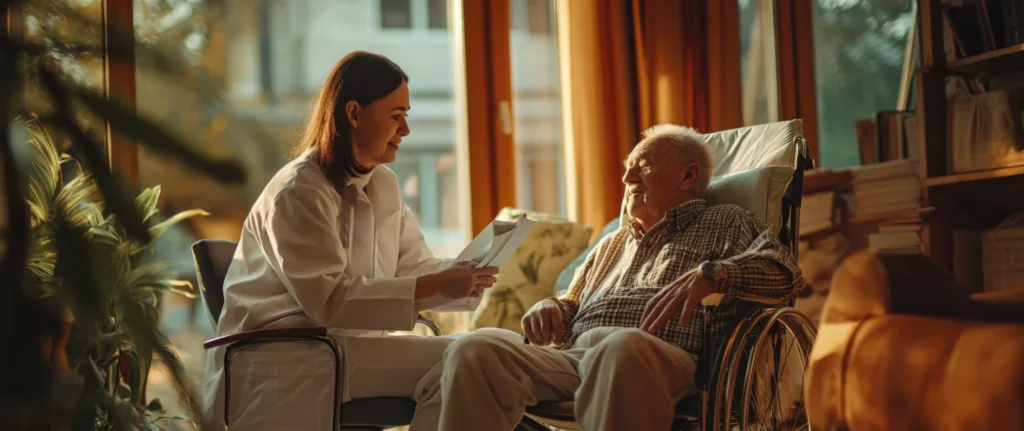
High-Intensity Daily Living Support plays a vital role in empowering individuals with complex care needs to live safely, confidently, and independently. While the term may sound clinical, at its core, it represents compassionate, skilled assistance that enables people to maintain control over their daily lives while receiving the support they require.
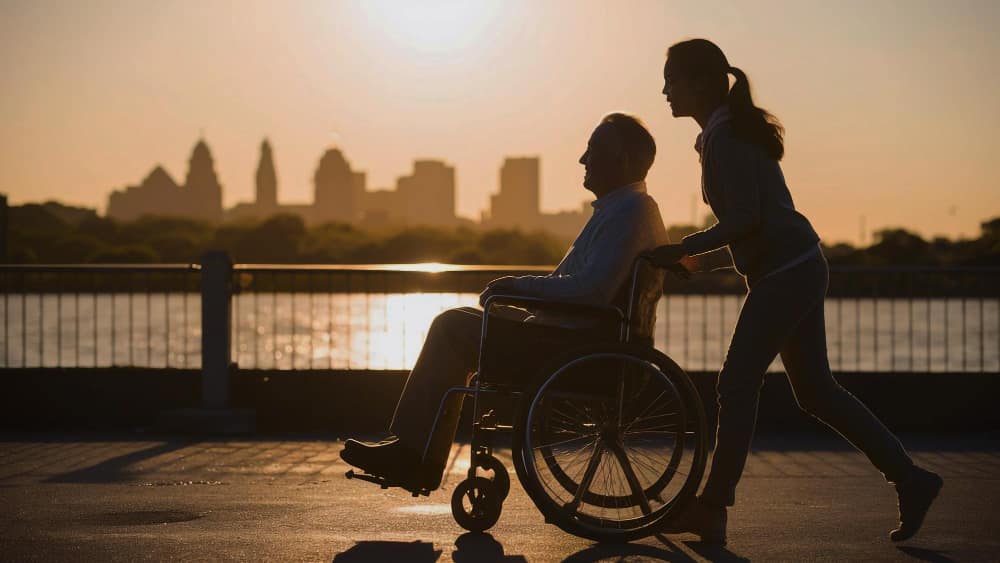
For individuals living with significant physical disabilities, chronic medical conditions, or complex health challenges, everyday activities may require specialised care. With the right support system in place, however, independence is not only possible — it can thrive.
What Are High-Intensity Daily Living Supports?
High-Intensity Daily Living Supports refer to specialised personal care services delivered by trained and competent support workers. These supports are designed for individuals who require advanced assistance due to complex health needs.
They may include:
- Complex bowel care
- Enteral feeding and management
- Severe dysphagia management
- Tracheostomy care
- Urinary catheter management
- Subcutaneous injections
- Ventilator support
These supports often fall under the framework of the National Disability Insurance Scheme (NDIS), ensuring that participants receive appropriate and regulated care from qualified providers.
The Connection Between High-Intensity Support and Independence
Many people mistakenly believe that requiring high-intensity care reduces independence. High-Intensity Daily Living Support In reality, structured and professional support enhances autonomy by:
- Reducing health risks
- Preventing hospital admissions
- Increasing safety at home
- Supporting consistent routines
- Enabling participation in community life
When individuals feel safe and supported in their daily personal activities, they gain confidence. This confidence directly contributes to improved mental wellbeing, social engagement, and personal growth.
Independence is not about doing everything alone it is about having choice and control over how support is delivered.
Person-Centred Approach to Complex Care
Promoting independence begins with understanding the individual. A person-centred approach ensures that care plans are tailored to:
- Individual goals
- Medical requirements
- Cultural preferences
- Communication needs
- Lifestyle choices
By focusing on what the participant wants to achieve whether it is pursuing employment, education, hobbies, or social activities — high-intensity support becomes a foundation for opportunity rather than limitation.
The Importance of Skilled and Trained Support Workers
Delivering high-intensity daily living support requires advanced training, competency assessments, and ongoing professional development. Skilled support workers:
- Understand complex clinical procedures
- Follow strict safety protocols
- Monitor health indicators
- Identify early signs of complications
- Communicate effectively with healthcare professionals
This level of expertise ensures participants receive safe, dignified, and respectful care at all times.
Safety and Risk Management
High-intensity personal activities involve higher levels of clinical risk. High-Intensity Daily Living Support Effective risk management strategies include:
- Detailed care plans
- Regular supervision and reviews
- Collaboration with nurses and allied health professionals
- Emergency response protocols
- Continuous documentation and monitoring
These systems create a secure environment where individuals can confidently focus on living their lives.
Emotional and Social Benefits
Beyond physical care, high-intensity support also has emotional benefits. When individuals receive consistent and respectful assistance:
- Anxiety levels reduce
- Self-esteem improves
- Family stress decreases
- Social participation increases
Families also gain peace of mind knowing their loved ones are supported by trained professionals.
Promoting Long-Term Independence Goals
High-intensity daily living support should always align with long-term independence goals. This may include:
- Skill-building programs
- Assistive technology integration
- Gradual increase in self-managed activities
- Community engagement initiatives
With the right guidance, many individuals can build capacity over time, increasing their independence while maintaining essential supports.
Why Quality Support Matters
Choosing the right provider for high-intensity daily living support makes a significant difference. Quality services focus on:
- Compliance with NDIS practice standards
- Ongoing staff training
- Transparent communication
- Respect, dignity, and privacy
- Continuous improvement
When support services prioritise empowerment rather than dependency, participants experience greater control over their daily lives.
Conclusion
Promoting independence through high-intensity daily living support is about more than providing care it is about enabling possibility. With skilled professionals, person-centred planning, and a strong commitment to safety, individuals with complex health needs can lead fulfilling, active, and meaningful lives.